
Importance of Bees In Our Environment
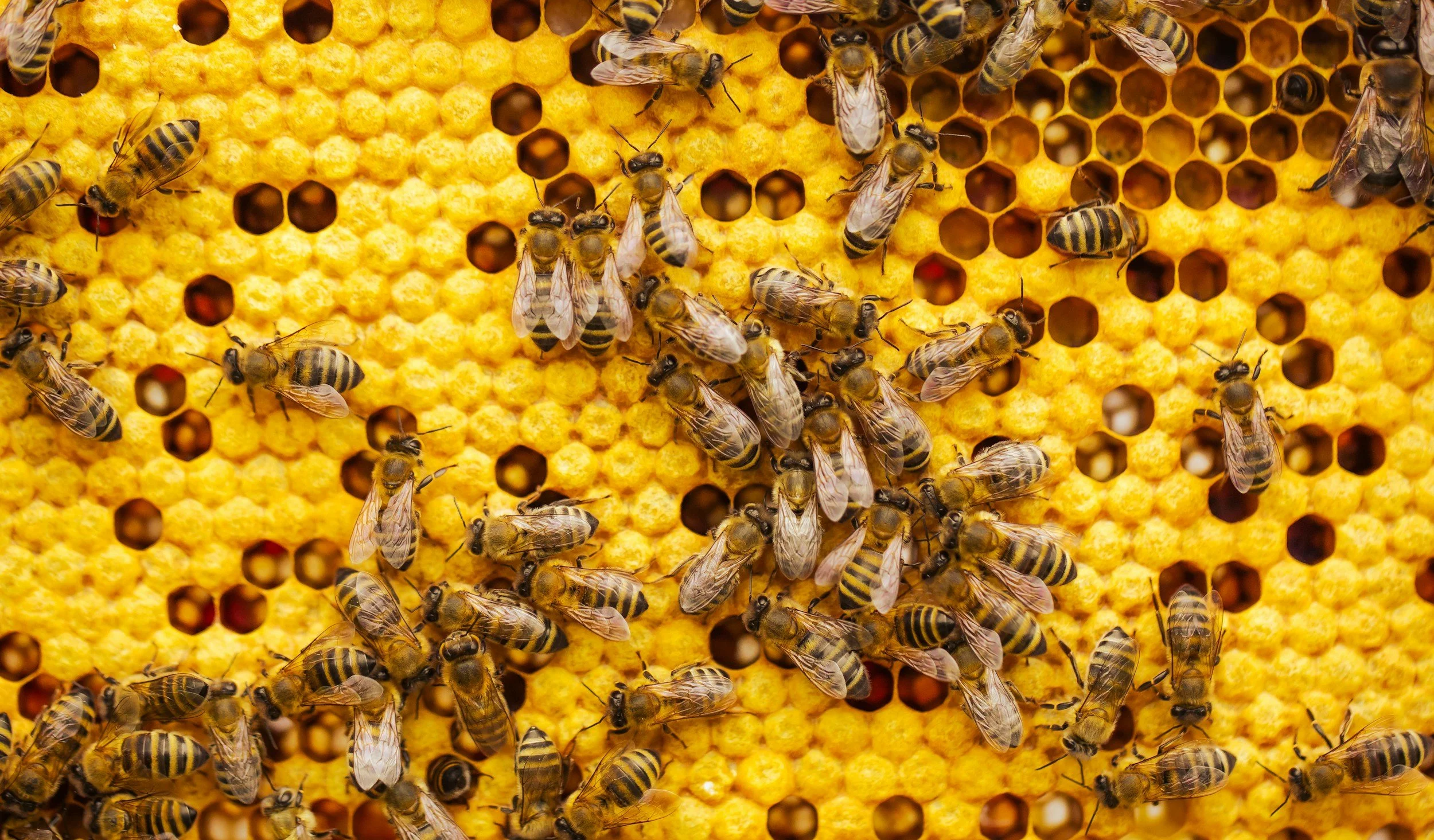
Bees are one of the most influential parts of our ecosystem. They are essential for the pollination and growth of all of our flowers, plants, and crops. The United States Department of Agriculture accredits 15 billion dollars worth of crops in the U.S. to honey bee pollination. Honey bees alone pollinate 80 percent of all flowering plants.
Our society would not be able to function without bees. They help grow the trees that clean our air, pollinate the food we eat so it can prosper, and produce some of our favorite food, honey!
Despite all that bees do to support our environment, they are in danger. Globally, bee populations have been decreasing throughout recent decades. Some of the most concerning rates are seen in our backyards. 50 percent of the Midwestern native bee population has vanished in the past 100 years with three species believed to now be extinct. On top of this there are three Midwestern native bee species that are believed to be extinct.
This tragic loss is due to the increasing use of pesticides, specifically the Neonicotinoid pesticide that is commonly sprayed over all types of seeds in the Midwest. This pesticide remains in the plants when they flower, exposing bees and other pollinators to the poison.
It can be especially difficult for bees to survive in the Midwest due to the compounding impact of a lack of floral diversity, the aforementioned pesticides, and the threat of parasites. The fluctuating temperatures pose an additional challenge to bee keepers trying to keep their bees alive through the winter months.
It is important to support bees so they can continue to pollinate our environment. You can do this by purchasing your honey products from local sustainable bee keepers. Purchasing from local brands means economically supporting the people actively involved in keeping bees alive and healthy. Purchasing from a local beekeeper also ensures you are receiving your honey in its purest form.
You can also support the dwindling bee populations by eliminating any pesticide use in your gardens. Planting an assortment of native plants and flowers will also provide a wide variety of suitable habitat for your favorite pollinators.
Bees are absolutely essential to our livelihood. If we put active effort into supporting bees, they will continue to positively contribute to our environment.
References
Action, Nature. Why Bees Are Essential to People and Planet, 18 May 2022, www.unep.org/news-and-stories/story/why-bees-are-essential-people-and-planet.
Arzate, Héctor Alejandro. “For Some Midwest Beekeepers, Trying to Keep Honeybees Alive Has Proven ‘Devastating.’” KCUR, KCUR, 26 Aug. 2025, www.kcur.org/news/2024-11-11/midwest-beekeepers-honey-bee-colony-loss-pesticides-parasites-drought.
Blackledge, Steve. Seven Actions That Can Save Bees and Other Pollinators, 26 June 2025, environmentamerica.org/articles/seven-actions-that-can-save-bees-and-other-pollinators/.
Hudson, Jonathan. “5 Compelling Reasons to Purchase Honey Directly from the Beekeeper | Hudsonville Honey.” 5 Compelling Reasons to Purchase Honey Directly from the Beekeeper, 3 Dec. 2023, hudsonvillehoney.com/2023/12/04/5-compelling-reasons-to-purchase-honey-directly-from-the-beekeeper/.
Pearson, Gwen. “You’re Worrying about the Wrong Bees.” Wired, Conde Nast, 29 Apr. 2015, www.wired.com/2015/04/youre-worrying-wrong-bees/.
